Introduction
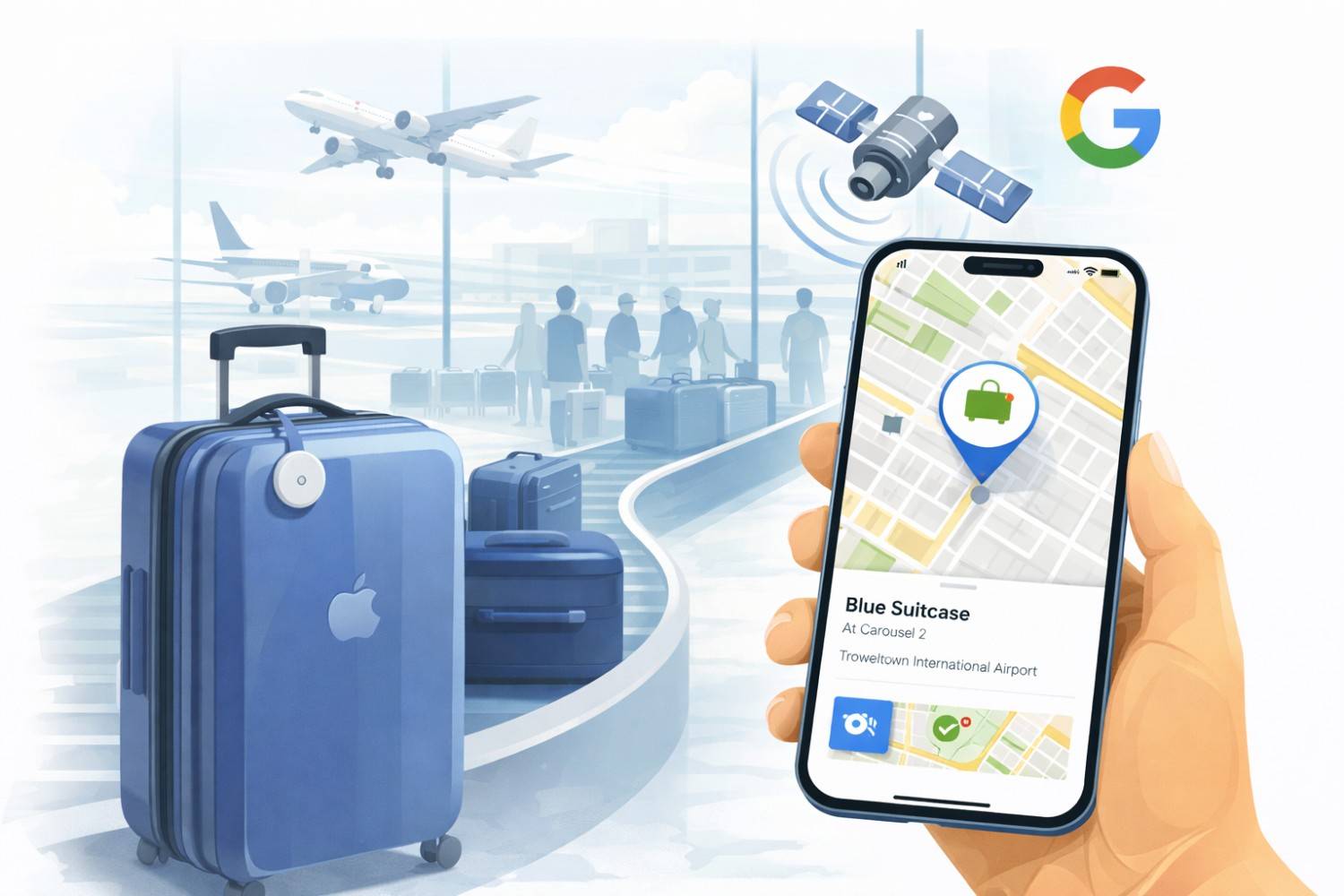
Google has introduced a new digital tracking capability called Find Hub, a feature designed to help travelers monitor their luggage in real time during air travel. The initiative integrates baggage tracking technology with major airlines and travel systems, aiming to reduce the long-standing problem of lost or delayed luggage.
Air travel disruptions involving misplaced bags affect millions of passengers every year. With the launch of the Find Hub system, Google is attempting to combine location technology, smartphone connectivity, and airline data integration to give travelers greater visibility into the location of their baggage throughout their journey.
The feature is expected to work across multiple devices within the Android ecosystem and integrate with services such as Google Maps, allowing passengers to track bags directly from their smartphones.
The Growing Problem of Lost Airline Luggage
Lost or delayed luggage has been a persistent challenge for airlines and passengers alike. Every year, millions of bags are mishandled due to tight flight connections, operational errors, or logistical delays during baggage transfers.
When a suitcase goes missing, travelers often face several inconveniences including delays in retrieving personal belongings, disrupted travel plans, and complicated claims processes.
Airlines have gradually adopted digital baggage tracking systems, but these solutions often remain limited to internal airline platforms. Passengers usually receive updates only after filing complaints or contacting airline customer service.
Google’s Find Hub feature attempts to bridge this gap by providing real-time tracking access directly to travelers.
What Is Google’s Find Hub Feature?
Find Hub is a location-tracking platform designed to help users monitor items such as luggage using connected tracking devices and digital location networks.
The system works by linking baggage trackers with a global network of Android devices and compatible airline systems. Once connected, the location of the luggage can be displayed on the user’s phone through a dedicated interface.
This approach is similar to existing item-tracking networks but aims to provide broader integration with travel infrastructure, especially airlines and airports.
Key goals of the Find Hub system include:
- Providing real-time luggage location updates
- Reducing the time needed to locate misplaced bags
- Improving transparency for passengers during travel
- Supporting airlines in managing baggage logistics
How the Find Hub Baggage Tracking System Works
The Find Hub feature relies on a combination of device connectivity, location signals, and airline integration.
Tracking Device Integration
Travelers attach a compatible tracking device to their luggage before departure. This tracker communicates with nearby Android devices through encrypted signals.
These signals help determine the approximate location of the bag as it moves through airports, baggage handling areas, and aircraft cargo compartments.
Location Network
The tracking system uses a decentralized location network built on millions of Android devices worldwide. When a tracker comes within range of one of these devices, its location is anonymously relayed to the owner’s phone.
This method allows the system to detect luggage even in busy environments such as airports where many devices are present.
Airline System Integration
One of the most significant features of Find Hub is its integration with airline baggage management systems. When an airline scans a bag during check-in, transfer, or arrival, the information can be linked with the passenger’s tracking interface.
This combination of airline data and tracker location signals helps provide a more accurate picture of where the luggage is at any given time.
How to Use Google’s Find Hub to Track Luggage
Using the Find Hub feature involves several simple steps for travelers.
Step 1: Attach a Compatible Tracker
Passengers attach a compatible item tracker to their suitcase or travel bag. Many modern trackers support Android tracking networks and can be connected through a smartphone.
Step 2: Pair the Tracker with Your Phone
The tracker is paired with the user’s Android device through the Find Hub interface or the device’s companion app. Once paired, the tracker becomes visible within the tracking dashboard.
Step 3: Add Travel Details
Before traveling, users can link their flight information with the tracking feature. This step helps the system align tracker data with airline baggage information.
Step 4: Monitor the Bag During the Journey
Once the luggage is checked in, the user can open the Find Hub interface to see the bag’s location updates. The system may display details such as:
- Last known location
- Movement through airports
- Arrival at baggage claim areas
Step 5: Receive Alerts
The system can notify users when their luggage reaches certain locations, such as the destination airport or baggage carousel.
Benefits for Travelers
The introduction of real-time luggage tracking offers several advantages for passengers.
Increased Transparency
Passengers gain visibility into the location of their baggage throughout the journey rather than relying solely on airline updates.
Faster Recovery of Lost Bags
If luggage is misplaced, location data can help airline staff identify its position more quickly.
Reduced Travel Stress
Knowing where a suitcase is located can reduce anxiety for travelers, particularly during tight flight connections or complex international itineraries.
Improved Airport Efficiency
When passengers can track their own luggage, airlines may receive fewer support requests related to lost baggage inquiries.
Airline Industry Adoption
Airlines have been investing heavily in digital baggage tracking technologies in recent years. Many carriers now use advanced scanning systems that track luggage at multiple points throughout a journey.
Google’s Find Hub system is designed to complement these systems by making tracking information more accessible to passengers.
Airlines participating in the initiative may allow travelers to link baggage tags with their tracking accounts, providing a combined view of airline data and device location signals.
Such partnerships represent a broader trend toward greater transparency in travel logistics.
Privacy and Security Considerations
Location tracking technologies naturally raise concerns regarding privacy and data protection.
Google has stated that item-tracking networks operate with encrypted signals and anonymous device participation. Devices that detect trackers do not gain access to personal information about the owner.
Additionally, anti-stalking protections are typically built into item-tracking systems. These features notify individuals if an unknown tracker is moving with them over time.
Maintaining privacy safeguards is considered essential for the widespread adoption of such technologies.
The Future of Smart Travel Technology
The introduction of features like Find Hub reflects the broader transformation taking place in the travel industry as digital technologies become more integrated into passenger experiences.
Airports and airlines are increasingly adopting smart systems to improve efficiency, including:
- Biometric boarding
- Digital baggage tracking
- Automated check-in services
- Real-time travel notifications
These technologies aim to reduce friction across the entire travel journey, from check-in to baggage retrieval.
Real-time tracking capabilities are expected to become a standard feature in future travel ecosystems as connectivity improves and device networks expand.
Why Real-Time Luggage Tracking Matters
For many travelers, losing luggage can quickly turn a routine trip into a stressful experience. Real-time tracking technology has the potential to significantly reduce these situations by improving communication between passengers and airline systems.
Google’s Find Hub initiative demonstrates how technology companies are collaborating with the travel industry to address long-standing logistical challenges.
As more airlines and device manufacturers adopt compatible tracking systems, travelers may soon experience a more transparent and reliable way to keep track of their belongings throughout their journeys.
Last Updated on: Thursday, March 5, 2026 7:30 pm by The Weekly News Team | Published by: The Weekly News Team on Thursday, March 5, 2026 2:29 pm | News Categories: Technology
About The Author