Introduction
Rising geopolitical tensions in the Middle East have once again placed the region at the center of global attention. Developments involving Israel, Iran, and the United States have heightened concerns about a broader conflict that could destabilize not only the region but also global economic and security frameworks.
For India, these developments are particularly significant. With deep-rooted economic, strategic, and diaspora connections to the Middle East, any escalation carries direct implications. From oil prices to the safety of Indian nationals abroad, the ripple effects are immediate and far-reaching.
What Is Driving the Current Escalation?
The current tensions stem from a series of interconnected geopolitical developments. Long-standing rivalries between Israel and Iran have intensified through indirect confrontations, including actions involving allied groups and strategic military signaling. These incidents have increased the risk of miscalculation, potentially triggering a wider regional conflict.
The United States has also played a critical role, reinforcing its strategic commitments in the region while attempting to deter further escalation. Military deployments and diplomatic messaging have underscored the seriousness of the situation.
At the same time, sensitive maritime routes such as the Strait of Hormuz remain under close watch, given their importance to global oil supply chains.
Global Reactions: Calls for Restraint Amid Strategic Interests
Western Powers
The United States and its Western allies have emphasized the need for de-escalation while reiterating their security commitments. Diplomatic efforts have focused on preventing a broader war, even as military preparedness remains high.
Regional Powers
Countries across the Gulf region have responded cautiously. Stability remains a priority, particularly for economies dependent on uninterrupted oil exports. Many regional governments are actively engaging in quiet diplomacy to contain the situation.
Russia and China
Global powers such as Russia and China have urged restraint while positioning themselves as key stakeholders in any diplomatic resolution. Their responses reflect broader geopolitical interests and competition for influence in the Middle East.
Why the Middle East Matters to India
India’s relationship with the Middle East is both strategic and economic, making stability in the region a critical national interest.
Energy Dependence
India relies heavily on crude oil imports from Middle Eastern countries. Any disruption in supply chains can lead to sharp increases in domestic fuel prices, affecting transportation, manufacturing, and household expenses.
Indian Diaspora
Millions of Indian citizens live and work across the Middle East. Escalating tensions raise concerns about their safety, employment stability, and the continuity of remittances, which contribute significantly to India’s economy.
Trade and Strategic Partnerships
The region is a major trading partner for India. Beyond oil, India’s economic engagement includes sectors such as infrastructure, food exports, and technology. Strategic partnerships with multiple countries in the region further underscore its importance.
Economic Implications for India

Rising Oil Prices
One of the most immediate concerns for India is the potential spike in crude oil prices. Higher oil prices can increase the country’s import bill, widen the trade deficit, and contribute to inflation.
Inflationary Pressures
Fuel costs have a cascading effect on the broader economy. Increased transportation and logistics costs can lead to higher prices for essential goods and services.
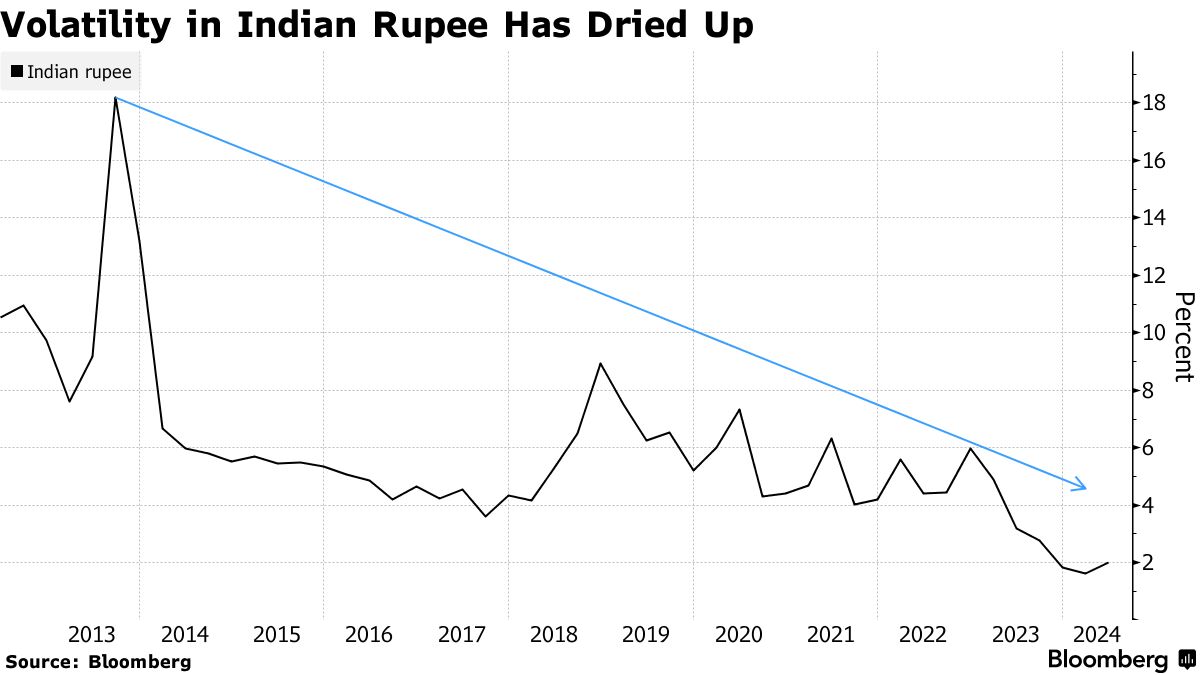
Currency Volatility
Geopolitical uncertainty often affects global financial markets. Fluctuations in oil prices and capital flows can exert pressure on the Indian rupee, impacting imports and investment.
Supply Chain Risks
The Middle East plays a critical role in global shipping routes. Any disruption could delay imports and exports, affecting industries dependent on timely supply chains.
India’s Diplomatic Strategy: Balancing Relationships
India has adopted a balanced and pragmatic approach in dealing with Middle Eastern geopolitics. Maintaining strong ties with multiple stakeholders, including Israel, Iran, and Gulf nations, has been a cornerstone of its foreign policy.
Key Priorities
- Advocating for dialogue and peaceful resolution
- Ensuring energy security
- Protecting Indian nationals in the region
- Maintaining strategic autonomy in foreign policy decisions
India’s approach reflects a broader strategy of multi-alignment, allowing it to navigate complex geopolitical scenarios without compromising national interests.
Security Concerns and Strategic Risks
While India is not directly involved in the conflict, indirect risks remain significant. These include potential disruptions to maritime security, increased global instability, and emerging cyber or asymmetric threats linked to geopolitical tensions.
Indian authorities are likely to remain vigilant, particularly regarding energy infrastructure and international trade routes.
The Road Ahead
The trajectory of the current situation remains uncertain. Much will depend on the success of diplomatic efforts and the willingness of key stakeholders to avoid further escalation.
A prolonged conflict could have lasting consequences for global energy markets, regional stability, and international trade. For India, staying prepared and maintaining strategic flexibility will be essential in navigating the evolving landscape.
Conclusion
The escalating tensions in the Middle East highlight the fragile nature of global geopolitics. For India, the implications extend beyond foreign policy into economic stability and national security.
As the situation continues to develop, India’s measured and balanced approach will play a crucial role in safeguarding its interests. In an increasingly interconnected world, events in the Middle East serve as a reminder of how regional conflicts can have global consequences, directly impacting nations like India.
Last Updated on: Tuesday, March 3, 2026 3:15 pm by The Weekly News Team | Published by: The Weekly News Team on Tuesday, March 3, 2026 3:15 pm | News Categories: Latest
About The Author

